In the fast-paced world of commercial trucking, tractor swaps are a routine but critical part of operations. A tractor swap occurs when a truck driver disconnects a trailer from one tractor unit and connects it to another. This process is common in Illinois and across the U.S., helping fleets maintain efficiency, reduce downtime, and ensure timely deliveries.
While a tractor swap might sound straightforward, there are important safety considerations, operational best practices, and logistical strategies every driver and fleet manager should understand. At A/R Sparks Heavy Towing Inc, we’ve seen firsthand how proper procedures and professional support make all the difference in preventing accidents and keeping Illinois roads safe.
What Is a Tractor Swap and Why Does It Matter
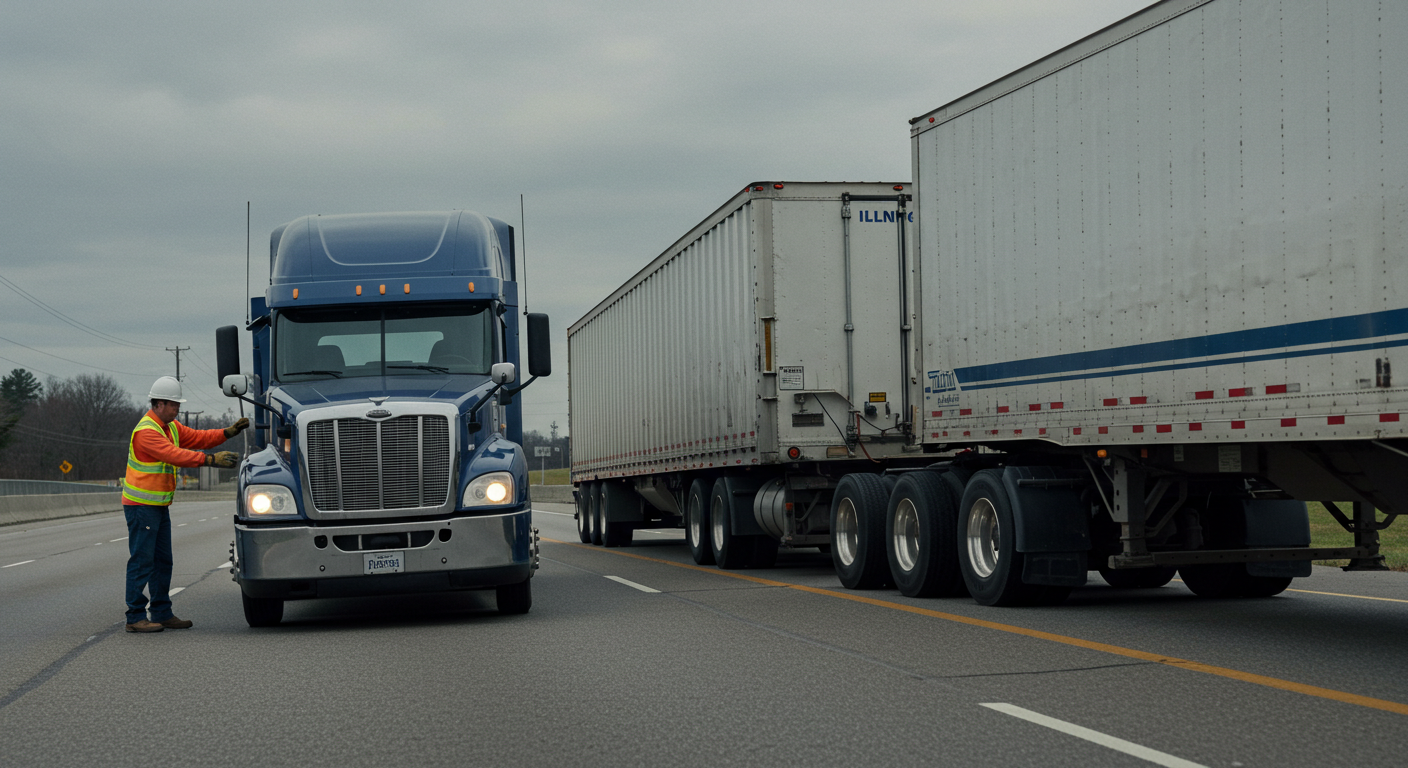
A tractor swap involves exchanging one truck’s tractor unit for another while keeping the same trailer loaded with cargo. This might be necessary for several reasons:
- The original tractor experiences mechanical issues or breakdowns.
- Drivers need to rotate units to balance work schedules or comply with hours-of-service regulations.
- Different tractor units are better suited for specific routes or cargo types.
- Fleets aim to reduce downtime and maintain operational efficiency.
Even a simple tractor swap carries risks if the connection between the trailer and the new tractor isn’t properly inspected. Proper attention to load securing techniques, trailer connections, and safety checks ensures smooth operations and prevents accidents on Illinois highways.

Safety First: Tractor Swap Procedures Every Driver Should Follow
Safety is the number one priority during a tractor swap. Illinois truckers must adhere to both state regulations and industry best practices. Here’s a step-by-step approach:
1. Inspect the Tractor and Trailer
Before performing a swap, check both units for:
- Proper tire pressure, lights, and brakes.
- Hitch or fifth wheel alignment.
- Trailer condition, including tires, suspension, and load stability.
2. Secure the Trailer
- Ensure the trailer is on level ground and fully chocked to prevent movement.
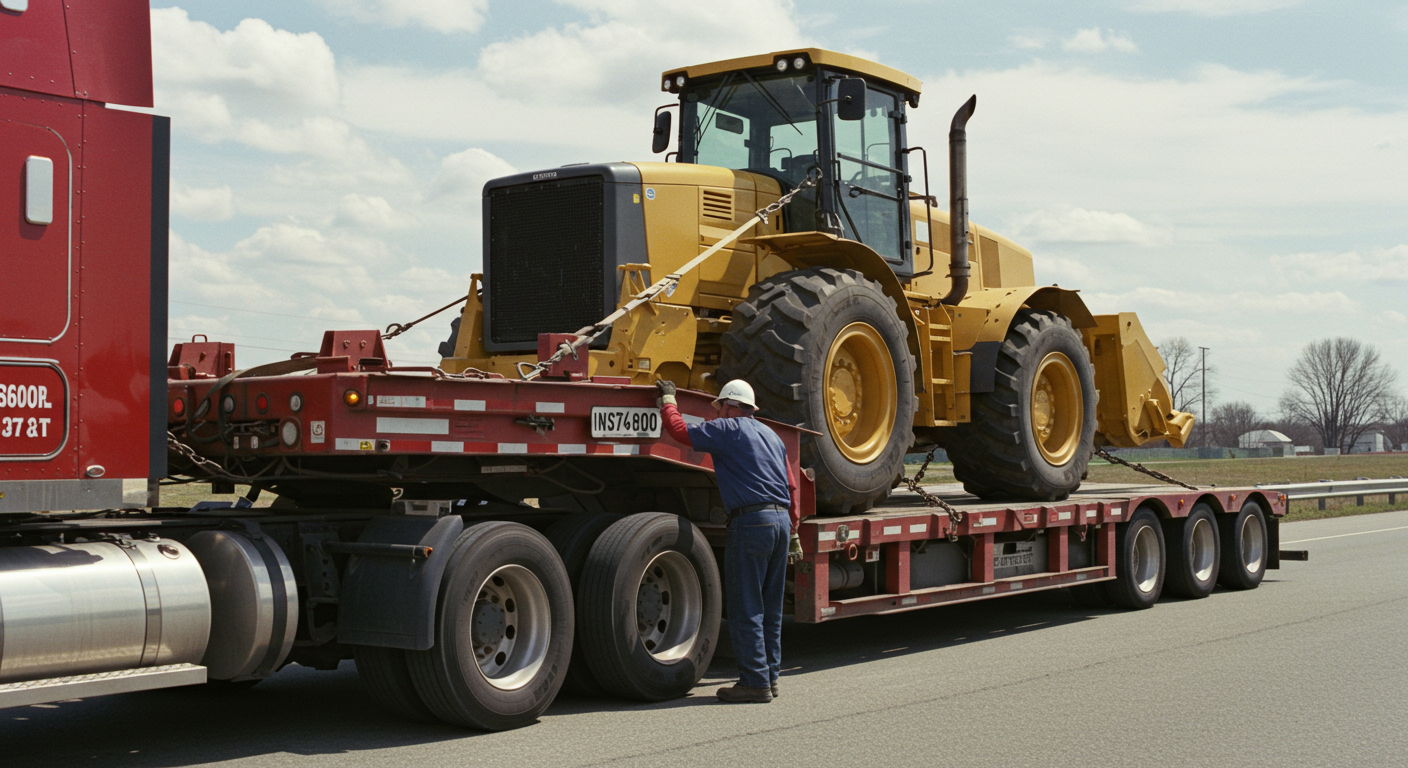
- Verify that all cargo is properly secured according to cargo safety measures and heavy truck load management practices.
3. Disconnect Safely
- Lower the landing gear completely before uncoupling.
- Carefully disconnect air lines and electrical connections, labeling if necessary for quick reconnection.
4. Attach the New Tractor
- Align the fifth wheel with the kingpin precisely.
- Slowly back the tractor under the trailer until full engagement occurs.
- Reconnect air and electrical lines and perform a trailer deck safety check.
5. Perform a Final Inspection
- Conduct a walk-around to verify that all connections are secure.
- Test brakes, lights, and indicators.
- Ensure that load distribution for trailers is correct and the trailer is stable for highway travel.
Following these procedures helps prevent accidents and ensures the tractor swap is safe and efficient. For drivers unsure about the process, calling a professional towing company or tow truck assistance provider can offer guidance or support in emergencies.

Common Challenges During Tractor Swaps
Tractor swaps, while routine, come with challenges that can cause delays, accidents, or cargo damage. Some common pain points include:
- Improper Trailer Alignment: Misaligned tractors can damage the fifth wheel or kingpin.
- Cargo Shift: Heavy or unbalanced loads can move during the swap if not properly secured.
- Mechanical Issues: Both the trailer and replacement tractor must be fully operational.
- Time Pressure: Drivers often feel rushed to complete swaps quickly, increasing the risk of mistakes.
Addressing these challenges requires training, attention to detail, and sometimes professional support. Emergency towing service and vehicle recovery services are valuable if equipment fails mid-swap.
Tractor Swaps and Roadside Assistance
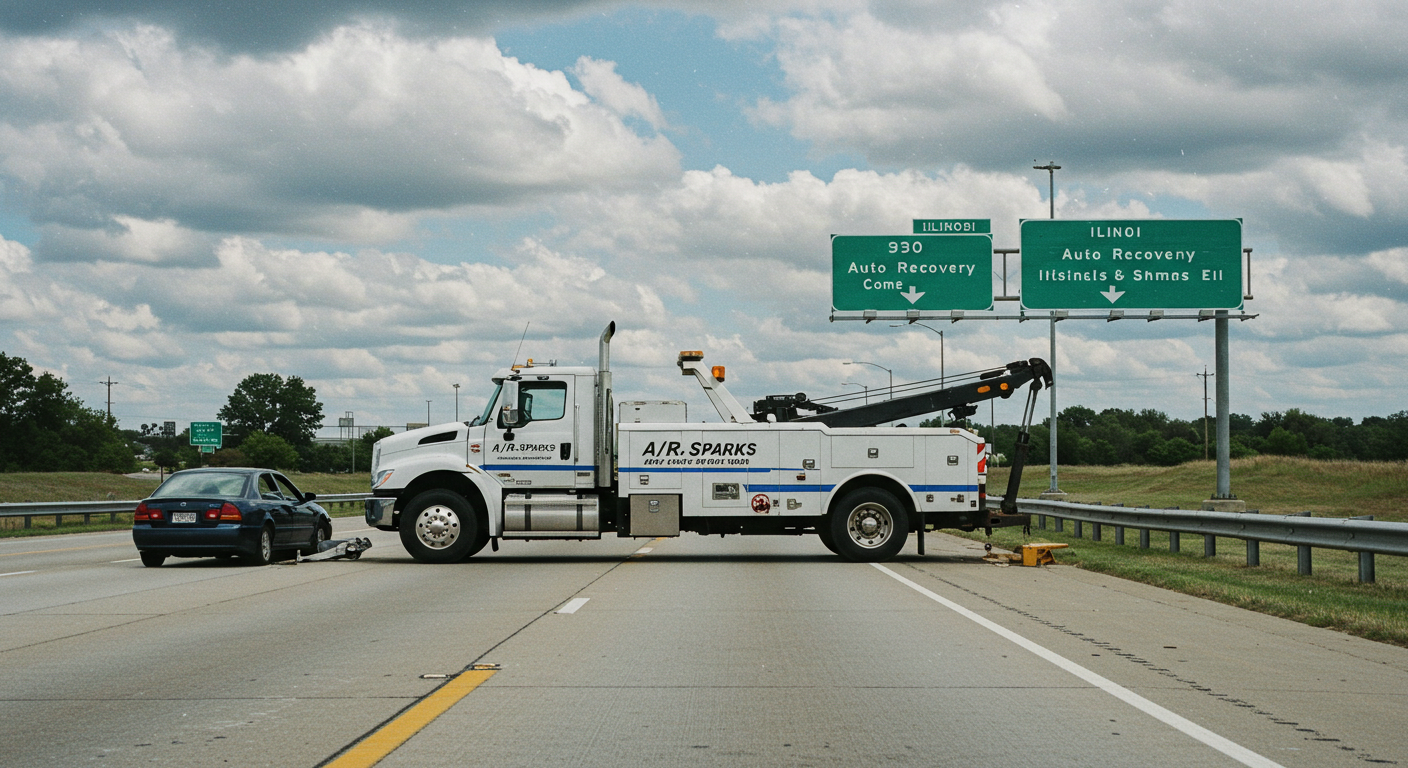
Sometimes, tractor swaps must occur unexpectedly, such as after a breakdown on a highway. In these cases, having access to roadside assistance near me, 24 24-hour towing company, or fast towing near me services can prevent a minor problem from becoming a major disruption.
Professional providers can:
- Assist with heavy-duty towing service for disabled tractors.
- Provide off-road vehicle recovery if a trailer is stuck in a difficult location.
- Offer guidance for auto roadside recovery and safe reconnection procedures.
A reliable towing and recovery team ensures that tractor swaps, even under stressful conditions, remain safe and efficient.
Tractor Swap Best Practices for Fleet Managers
Fleet managers in Illinois should implement strategies to optimize tractor swaps:
- Schedule Regular Maintenance: Well-maintained tractors reduce unexpected swaps and breakdowns.
- Train Drivers: Provide hands-on training for proper truck decking methods and safe swap procedures.
- Use Tracking Systems: Monitor tractor and trailer locations to coordinate swaps efficiently.
- Maintain Emergency Contacts: Keep contacts for wrecker service near me, highway towing service, and mobile towing solutions handy for rapid response.
- Audit Safety Compliance: Ensure every swap follows transport safety guidelines and truck driver safety tips.
By incorporating these best practices, fleets minimize downtime, prevent accidents, and maintain cargo integrity during every swap.
Long-Distance Tractor Swaps
Sometimes, tractor swaps must occur mid-route, especially during long-distance towing or commercial truck hauling operations. These swaps require:
- Accurate route planning to ensure a safe location for the swap.
- Coordination between drivers to ensure seamless handoff.
- Awareness of local Illinois regulations for vehicle safety and highway compliance.
Professional towing services can assist with stranded vehicle recovery or immediate towing response if a tractor fails during a long-haul journey.
Tractor Swaps and Accident Recovery
Tractor swaps can be involved in accident recovery scenarios as well. After a minor collision or mechanical failure:
- Accident recovery towing may be necessary to move a disabled tractor.
- Ensuring a car accident recovery service is available can reduce road closures or delays.
- Proper swap and trailer handling prevent additional damage during recovery.
Using a trusted towing professional ensures that accident-affected tractors are swapped or recovered safely without risking further incidents.
Advanced Tips for Safe and Efficient Swaps
- Keep Tools Ready: Carry chocks, straps, and safety gear in every tractor.
- Document Every Swap: Maintain logs for fleet management and insurance purposes.
- Communicate Clearly: Drivers should inform dispatch about every swap and any issues.
- Inspect Load After Swap: A quick post-swap inspection prevents cargo shifts or loose connections.
- Have Backup Support: Keep a list of cheap towing near me and towing assistance 24/7 providers for emergencies.
These tips enhance operational efficiency and ensure both the driver and cargo remain safe during every swap.

Conclusion
Tractor swaps are a routine yet critical part of trucking operations in Illinois. From everyday fleet management to emergency roadside swaps, understanding proper procedures, load safety, and available professional support is essential for both drivers and fleet managers.
Whether you need guidance on safe tractor swaps, flatbed towing service, or auto transport and towing, working with experienced professionals like A/R Sparks Heavy Towing Inc ensures safety, efficiency, and peace of mind on every route.
If you’re managing a fleet or facing an unexpected tractor issue, contact A/R Sparks Heavy Towing Inc for expert towing, recovery, and roadside support available 24/7 throughout Illinois.